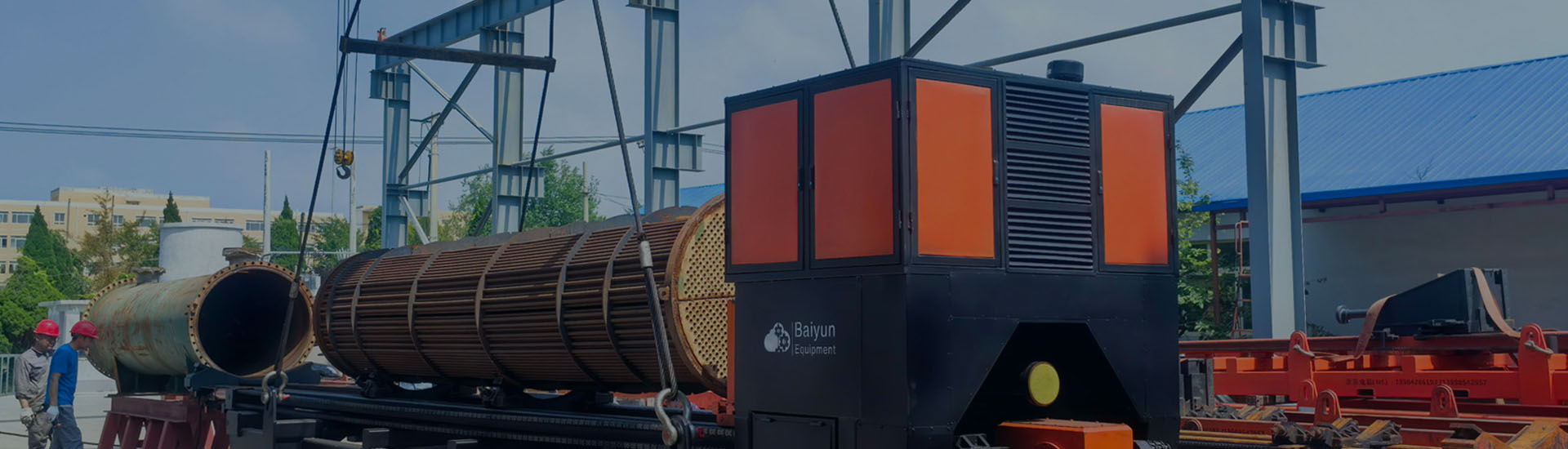
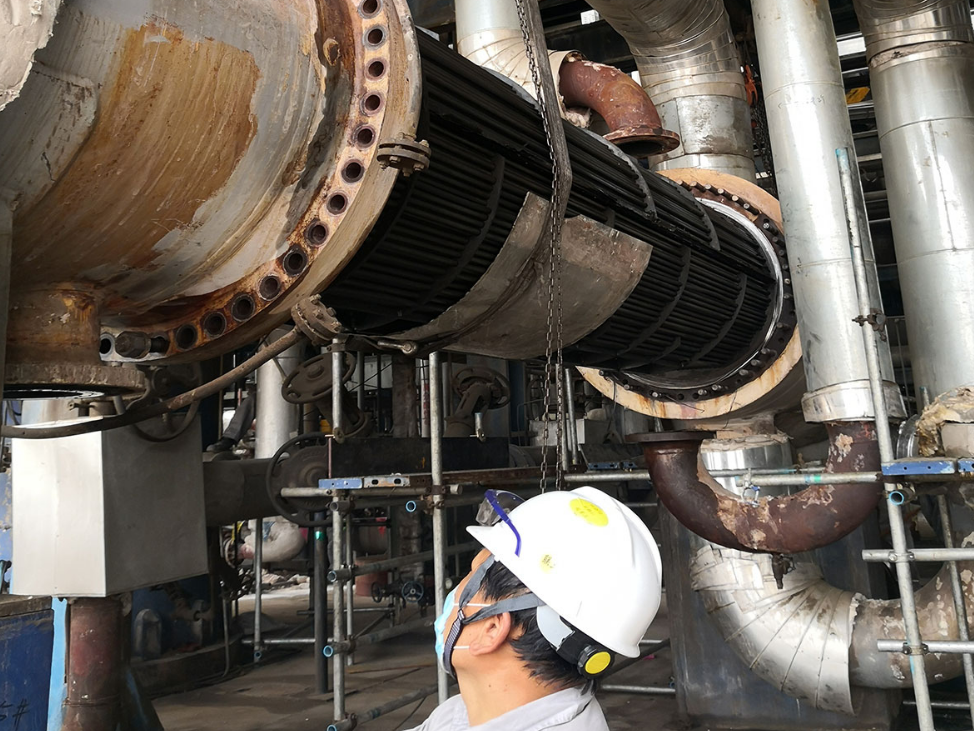
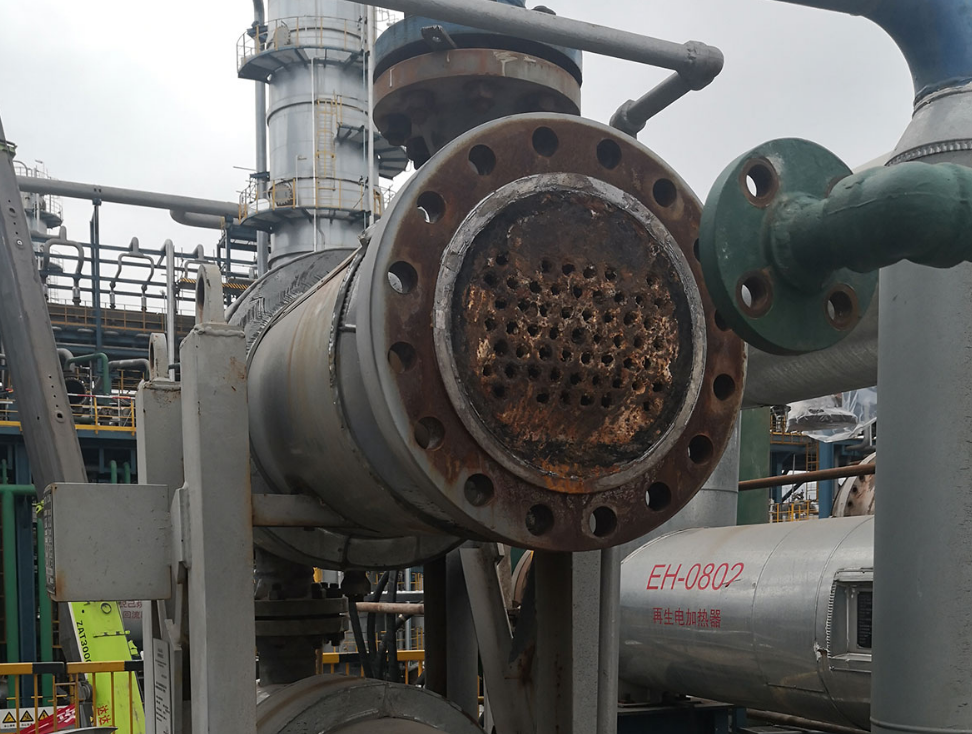
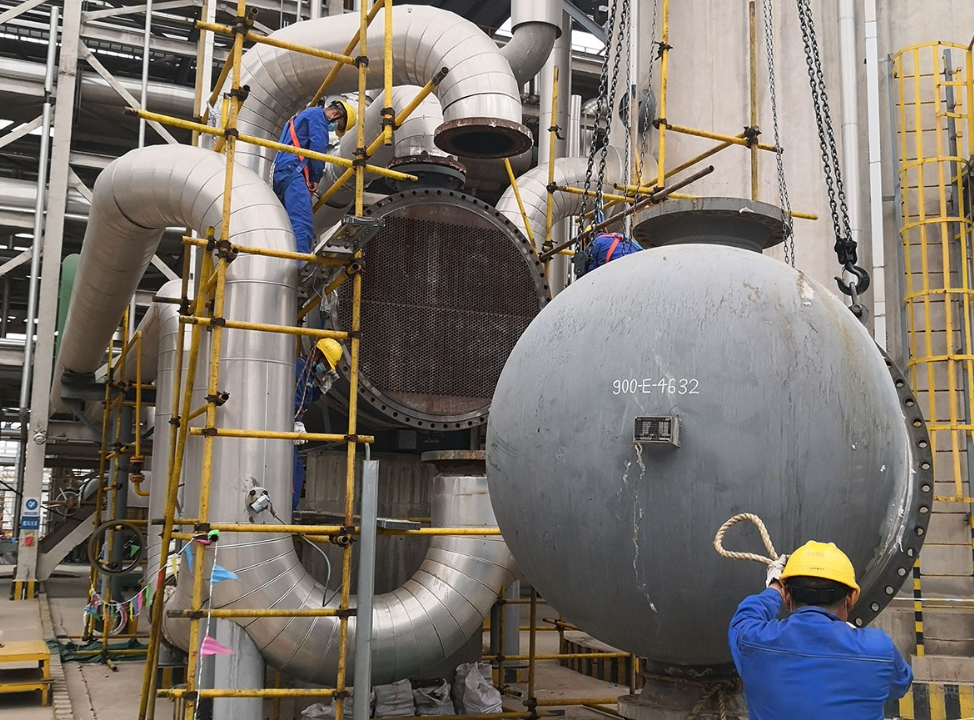
Fouling is a poor thermal conductor. Its deposition on the heat exchanger surface impairs heat transfer efficiency and reduces production effectiveness. From a design perspective, the overall heat transfer coefficient K of the exchanger decreases as fouling resistance increases. The higher the K value under clean conditions, the more significant the impact of fouling resistance. To address this, the tube bundle needs to be removed for high-pressure water cleaning and reinstalled, which resolves the issue of reduced heat transfer efficiency.
Fouling accumulation on the heat exchanger surface intensifies local corrosion, making pitting corrosion and subsequent perforation more likely. After completing a full operational cycle, the exchanger should be promptly disassembled, and the core should be removed for cleaning.
Mobil: +86-13252926579 / +86-13019428843
Email: info@baiyunequipment.com
Add: No. 20 Yingri Road, Yingchengzi Industrial Zone, Ganjingzi District, Dalian, China
Provide you with customized solutions